Saturday, December 4, 2010
Friday, December 3, 2010
Portuguese in India

Vasco da Gama (1460-1524) was a Portuguese explorer, the most successful in the Age of Discovery and the commander of the first ships directly from Europe to India.
Vasco da Gama : was born in 1460 or 1469 on the south west coast of Portugal. Little is known of Vasco da Gama's early life. It is known that he studied at the inland town of Evora and learnt mathematics, navigation and astronomy. He studied astronomy from the astronomer Abraham Zacuto.

In 1492 King John II of Portugal sent Gama to the port of Setubal, south of Lisbon and to the Algarve to seize French ships in retaliation for peace time depredations against Portuguese shipping -a task that Vasco da Gama rapidly and effectively performed. Since early 15th century attempt was made by the nautical school of Henry the Navigator to find a route round the African subcontinent to gain easier access to the riches of India. 


Thursday, December 2, 2010


European Colonial Empires (contd-2)

French Empire

Dutch Empire

British Empire
Subsequent global empires included the French, Dutch, and Britishempires.The latter consolidated during the period of British maritime hegemony in the 19th century, became the largest of all empires by virtue of the improved transportation technologies of the time.At its height, the British empire covered a quarter of the earth's land area and comprised a quarter of ts population. Germany and Italy were unified later than the other major European countries and so they joined other Europesn powers in establishing colonies overseas only during the "Scramble for Africa" in the 19th century. By the 1860s , the Russian Empire -- continued as the Soviet Union- became the largest contiguous state in the world.Russia continues this distinction , despite having "lost" in Soviet periphery IRussia today includes slightly ove half the world's longitude.
Wednesday, December 1, 2010
European Colonial Empires (contd-1)

Portugal began establishing the first global trade network and empire under the leadership of Henry the Navigator. Portugal would eventually establish colonial domauds from Brazil, in south America, to several colonies in Africa (namely Portuguese Guinea, Cape Verde, Sao Tome and Pricipe, Angola, and Mozambique), in Portuguese India ( most importantly Bombay and Goa), in China (Macau), and Oceania (namely East Timor), amongst many other smaller or short-lived possessions.
During its peak , the Spanish Empire had possession of the Netherlands, Luxembourg, Belgium, most of Italy, parts of Germany, Parts of France, and many colonies in the America, Africa, Asia and Oceania. With the conquest of inland Maxico, Peru, and the Philipines, in the 16th century, Spain established overseas dominions on a scale and world distribution that had never been approached by its predecessors(the Mongol Empire had been larger but was restricted to Eurasia). Possessions in Europe, Africa, the Atlantic Ocean, the America, the Pacific Ocean , and the far east qualified the Spanish Empire as attaining a global presence in this sense.From 1580 to 1640 the Portuguese Empire and the Spanish Empire were conjoined in a personal union of its Habsburg monarchs, during during the period of the Iberian Union, though the empires continued to be administered separately.

Spain Empire
Portuguese Empire
European Colonial Empires

fig.1. British Empire
The first global empires were a product of the European Age of Exploration that began with a race of exploration between the then most advanced maritime powers, Portugal, and Spain, in the 15th century. The two motive forces for this race were trade and Capitalism that developed due the Renaissance and agreements reached in 1479, 1493 and 1494. 

fig.2. S panish Empire
 panish Empire
fig.3. Italian Empire

fig. 4. Russian Empire

fig. 5. German Empire
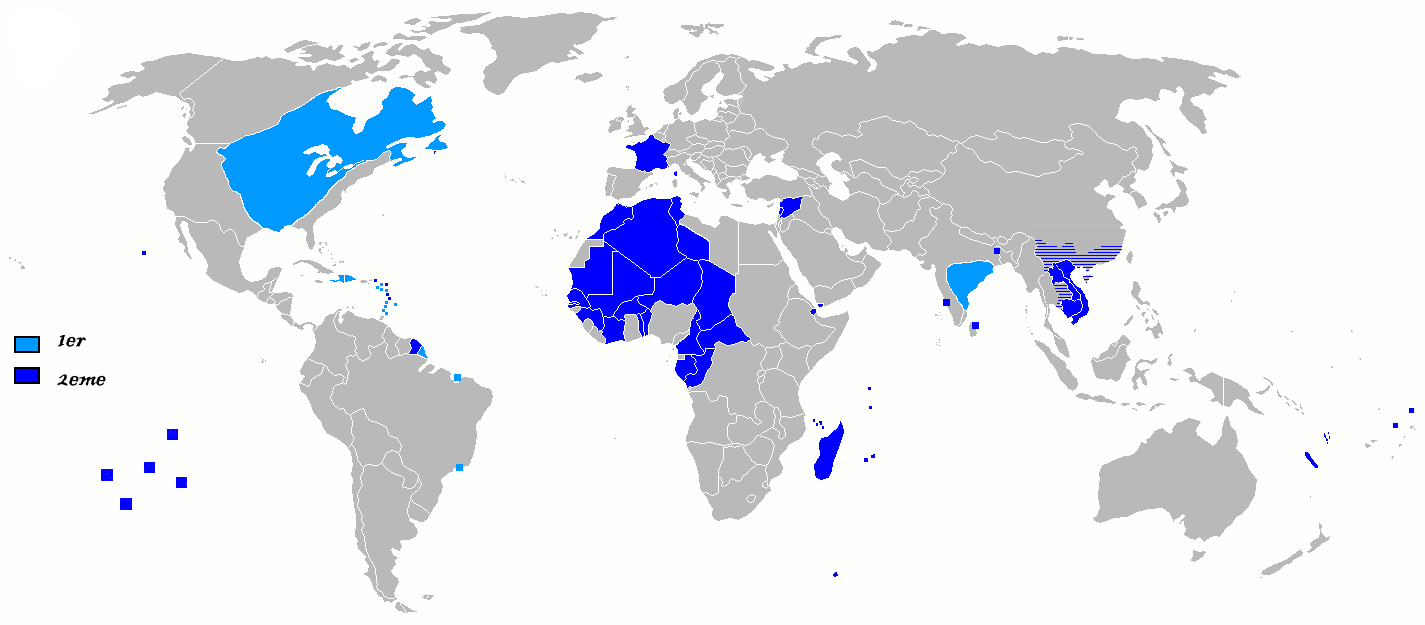
fig.6. French Empire
fig. 7. Dutch Empire
fig. 8. Portuguese Empire
Empire in India
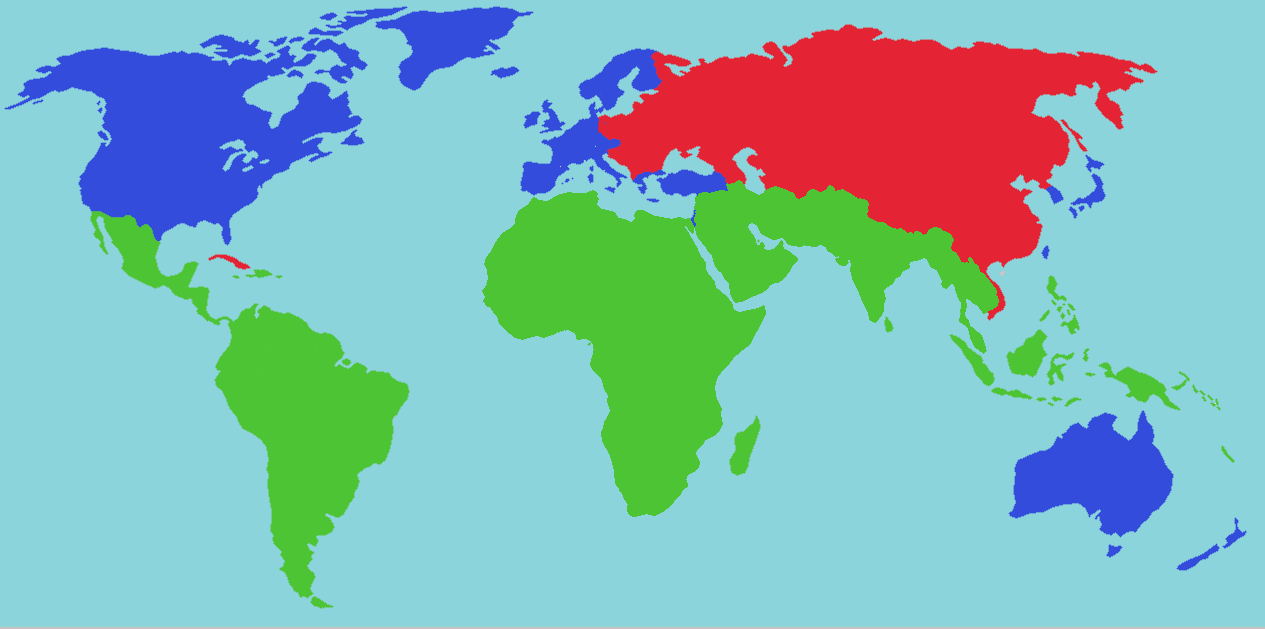
In the modern times, it is said that the Spanish Empire and then the British Empire were called "empires on which the sun never sets", because of their areas of possession.
India experienced varying levels of European contact and imperial forays since Vasco da Gama's expeditions in 1498, Portuguese, Dutch, French and especially British authorities happened to come to extend their empire. This process culminated after in the period of the British Raj (and its smaller French and Portuguese counterparts) after 1857.
Subscribe to:
Posts (Atom)